
The Cost of Believing a Stranger
Needful ThingsThis flow traces how residents accept Gaunt’s authority, repeat his phrasing, and surrender judgment before some begin to recognize the manipulation.
increasing Bearing strength in each event
 decreasing
Bearing strength in each eventdecreasingTrust Built Quickly
Trust Built Quickly
A persuasive stranger
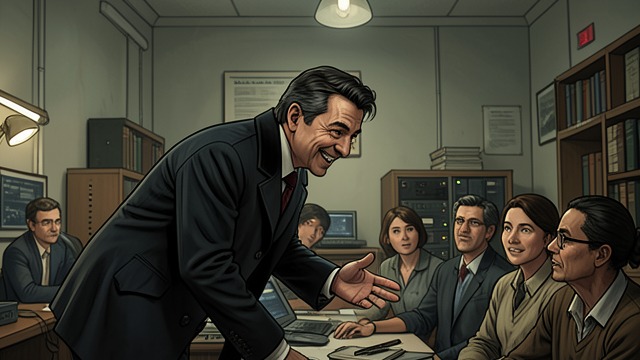
Gaunt greets Brian and Polly with warmth, attention, and confident knowledge. Customers quickly feel that he understands them better than ordinary shopkeepers do.
A phrase of authority
Gaunt encourages buyers to believe he knows best and discourages resistance to his terms. Reassurance gradually becomes a substitute for independent judgment.
Words That Narrow Choice
Words That Narrow Choice
Terms framed as common sense
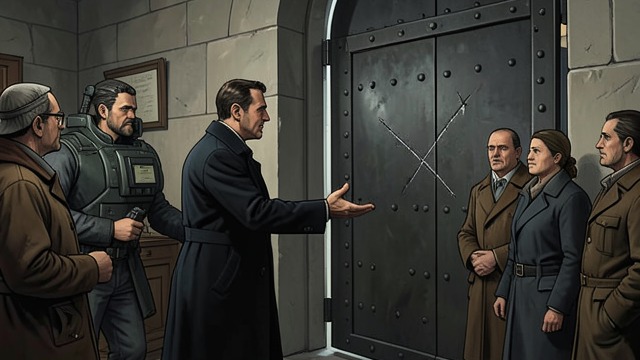
Gaunt describes harm as a harmless prank, payment as fair trade, and reluctance as failure to honor a bargain. His words make obedience sound reasonable.
Customers repeat the rule
Buyers carry out tasks they might otherwise reject, often insisting that Gaunt knows best. Language helps conceal the moment when choice becomes coercion.
The Promise of Fairness

The Promise of Fairness
An ordinary language for an extraordinary bargain
Gaunt uses familiar words—price, value, buyer, seller—to describe transactions that involve pain, secrets, and violence.
The contract is never equal
Customers believe the agreement is a fair exchange because they receive something they want. Gaunt controls what they remember, what they fear, and when he declares a bargain complete.
Belief Outlasts Evidence

Belief Outlasts Evidence
Suspicion suppressed
Characters notice that Gaunt is strange, but his charm and the apparent success of his goods repeatedly overcome their doubts. The desire to keep an object helps keep the explanation intact.
Compulsion masquerades as choice
Even when danger becomes clear, some customers continue because they believe refusal will cost them the object, their relief, or their secrets.
A Rule Refused

A Rule Refused
Customers regain judgment
Polly recognizes that the amulet’s relief is not free, while Alan recognizes that the videotape is false. Each stops accepting Gaunt’s account of what the bargain means.
Authority loses its audience
Gaunt’s phrases no longer command obedience. Their refusal demonstrates that his influence depends partly on what people choose to believe and continue to perform.
October 8–9, 1991
October 9–15, 1991
October 10–15, 1991
October 13–15, 1991
Night of October 15
